

Before and after rubbish clearance NW5 flat clearout case study
Posted on 09/09/2026
If you have ever walked into a flat and thought, "Where do we even start?", you are in the right place. A before and after rubbish clearance NW5 flat clearout case study is one of the clearest ways to understand what professional clearance can really do in a busy London property. It is not just about removing unwanted stuff. It is about reclaiming space, reducing stress, and making a flat feel livable again.
In NW5, where flats can be compact, stairways tight, and access awkward, a clearout has to be planned properly. The difference between a messy, overwhelmed room and a fresh, workable space can be dramatic. This article walks through the process in plain English, from the first look at the flat to the final sweep-up, with practical advice you can actually use.
We will also cover common mistakes, compliance concerns, and the practical side of choosing the right rubbish clearance approach for a Kentish Town property. No fluff. Just the useful bits.
Why Before and after rubbish clearance NW5 flat clearout case study Matters
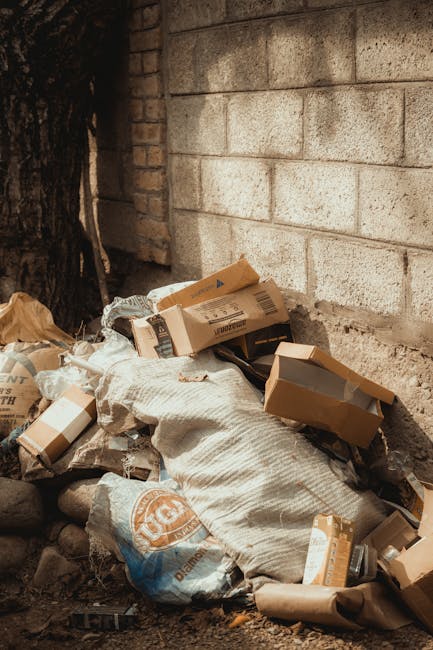
The "before and after" angle matters because rubbish clearance is one of those jobs people underestimate until they are standing in the middle of it. A flat clearout in NW5 can involve old furniture, broken household items, bagged rubbish, mixed recyclables, loft clutter, and the odd mystery object that nobody wants to claim. A case study makes the result visible. You can see the shift from blocked rooms to usable rooms.
That matters for several reasons. First, it helps homeowners and landlords understand what is realistic in a single visit and what may need a staged approach. Second, it shows how a good clearance team handles access, sorting, lifting, and disposal without turning the whole building into a scene from a very disorganised moving day. And third, it builds trust. Let's face it, many people have had a bad experience with vague quotes and rushed jobs.
For local readers, it also reflects the reality of NW5 living. Flats in Kentish Town often have limited storage, shared entrances, narrow halls, and time-sensitive needs. That could be a tenancy end, a sale, a refurbishment, or simply the point where the spare room has become a catch-all for everything from a dead printer to three wobbly chairs. It happens.
If you are exploring broader local context around the area, our Kentish Town resident guide is a helpful companion read, and the local piece on quick rubbish removal on Kentish Town Road gives a good sense of how street-level access can affect job planning.
How Before and after rubbish clearance NW5 flat clearout case study Works
A proper flat clearance is usually more methodical than people expect. The "before" stage starts with a walk-through, a rough volume estimate, and a look at access points. That includes stairs, lift access, parking, and whether anything large needs to come apart before removal. In a compact NW5 flat, those details can make or break the job.
From there, the team separates items into broad categories: reusable furniture, recyclable materials, general household waste, and anything requiring special handling. A chest of drawers might go one way, a bag of broken kitchen items another, and a mattress somewhere else. It sounds simple. In practice, it is where a lot of time is saved.
The "after" stage is not just an empty room. It should be a room that has been cleared safely, swept through, and left in a state where the next step can happen quickly, whether that is decorating, letting, staging, or moving. In a good case study, the transformation is obvious without being overdramatic.
There is usually a rhythm to the process:
- Initial assessment and quote.
- Sorting and identifying reusable or recyclable items.
- Careful removal of bulky objects first.
- Bagging and loading smaller mixed waste.
- Final sweep and visual check.
That sequence sounds tidy, and mostly it is. But real flats are rarely tidy. Sometimes a pile that looks like a single job turns into three categories of waste, two awkward corners, and one item that definitely should have been removed years ago. You know the type.
Key Benefits and Practical Advantages
The obvious benefit is space. A cleared flat feels bigger instantly, even when the square footage has not changed at all. But the more useful benefits are practical.
- Better use of rooms: Bedrooms become bedrooms again, not storage caves.
- Faster property preparation: Useful for sales, lettings, and refurbishments.
- Less stress: The mental relief of seeing a clear floor is real.
- Safer access: Fewer trip hazards and less clutter around doorways.
- Improved presentation: Important if you are viewing a flat, photographing it, or handing it over.
There is also a financial angle. Clearing a flat properly can prevent delays when a tenancy ends, reduce the chance of extra cleaning work, and make it easier to coordinate trades or estate agents. If you are planning a move or property transaction, that can be the difference between a smooth week and a very annoying one.
For anyone trying to understand cost more clearly, the local article on rubbish collection costs explained is useful background, especially if you want to see how labour, loading time, and access can influence pricing.
Practical takeaway: a flat clearout is rarely just a waste job. It is usually a time-saving, stress-reducing reset for the whole property.
Who This Is For and When It Makes Sense
This kind of clearance makes sense for a wide range of people, not just landlords or people dealing with a big move. In NW5, the usual situations are very down to earth.
- Tenants who need to return a flat in good condition.
- Landlords preparing a property between occupiers.
- Homeowners dealing with years of accumulated clutter.
- Executors or family members handling a difficult estate clearout.
- Buyers and sellers needing the flat ready for sale or completion.
- Anyone refurbishing and needing old items out before work starts.
It can also make sense if access is awkward and you do not want to hire a skip or manage multiple trips to a disposal site yourself. To be fair, a flat on an upper floor with no easy parking is exactly where an experienced clearance team earns its keep.
If you are weighing this against a property sale or purchase, our local posts on Kentish Town home transactions and investing in Kentish Town property can help frame the timing.
Step-by-Step Guidance
If you want the job to feel manageable, break it into stages. That is the simplest advice, and honestly the best one.
1. Walk the flat before anything moves
Look at every room, cupboard, and storage area. You need a realistic idea of what is staying, what is going, and what might need special handling. A quick glance is not enough if you want a proper quote or a proper plan.
2. Separate obvious keepers from clear waste
Do the easy decisions first. Paperwork, clothing, sentimental items, tools, and personal effects should be set aside before the clearance begins. That reduces mistakes and avoids the awful "where did that go?" moment later.
3. Identify bulky items early
Wardrobes, sofas, bed frames, and white goods tend to dictate the working order. Large pieces often need to be moved first so the smaller bags can be carried safely behind them. If furniture disposal is needed alongside general waste, it can be helpful to review furniture disposal in Kentish Town.
4. Plan for access
In a NW5 flat, access can be the hidden headache. Parking, stair width, and corridor corners all matter. If a job involves a tight staircase or a narrow street, take that seriously from the start. You do not want a van parked nowhere useful and a sofa wedged in a hallway. Nobody does.
5. Clear room by room
It is usually better to finish one room before jumping to the next. That keeps momentum and helps you see real progress. Small win, then another small win. It works.
6. Sort for recycling and reuse where possible
Not everything needs to become mixed rubbish. Some items can be separated for recycling, and some furniture may be suitable for reuse depending on condition. That is where a well-run service should feel organised rather than chaotic.
7. Finish with a proper sweep-through
The after stage should not look half-done. Check corners, behind doors, under beds, and inside cupboards. A clean sweep is part of the job, not an optional extra in a perfect world.
Expert Tips for Better Results
There are a few habits that make a flat clearout much smoother, and they are often the boring ones. Boring is good here.
- Photograph the space before the job: It helps you track progress and remember what was agreed.
- Label anything you want to keep: Especially in mixed storage rooms where boxes all look the same at 7:30 in the morning.
- Keep pathways clear: A narrow hall cluttered with bags slows everything down.
- Be honest about volume: Underestimating waste usually causes delays or price changes.
- Ask how recycling is handled: A good operator should be able to explain the process clearly.
One thing people often forget: the best clearout is not necessarily the fastest one. It is the one that leaves the property genuinely ready for the next step. That might mean a let, sale, decorating, or simply breathing again when you open the front door. Small detail, but it matters.
For readers who want a better sense of local working conditions, the article on narrow-street access problems in Kentish Town is particularly relevant.
Common Mistakes to Avoid
Most problems in flat clearouts are avoidable. The trouble is, people usually spot them too late.
- Leaving decisions until the crew arrives: This slows the whole job down.
- Mixing keep items with waste: Once bags are moving, it becomes much harder to recover things.
- Ignoring access details: A service lift, key collection, or parking issue needs to be mentioned early.
- Assuming everything is standard waste: Some items need specific handling.
- Focusing only on price: The cheapest option is not always the best value if it leads to hidden extras or poor finishing.
Another common mistake is forgetting the building itself. Shared hallways, neighbours, and stairwells matter. In a flat, clearance is not just a private exercise. There is always someone else nearby hearing the footsteps, the van doors, the occasional bang, and wondering what is going on. Keep that in mind and things go more smoothly.
If you want to avoid surprise charges, our guide to hidden rubbish removal fees is worth a look before you book.
Tools, Resources and Recommendations
You do not need fancy equipment to organise a flat clearout, but a few practical tools help a lot.
| Tool or resource | What it helps with | Why it is useful |
|---|---|---|
| Strong bin bags | Loose waste and smaller mixed items | Reduces breakage and keeps the job tidy |
| Labels or masking tape | Marking keep, donate, and remove piles | Prevents accidental disposal |
| Phone camera | Before and after records | Makes planning and proof easier |
| Measuring tape | Bulky furniture and access points | Helps assess whether items will fit through tight spaces |
| Clear quote notes | Scope, access, and special items | Reduces misunderstandings later |
For service planning, the most useful internal pages are the broader services overview, the local waste clearance Kentish Town page, and the practical pricing page at pricing and quotes. Those pages help you understand what to expect without overcomplicating things.
If the flat has a mix of household items and larger furniture, it may also be useful to look at house clearance services or rubbish collection in Kentish Town depending on the scale of the job.
Law, Compliance, Standards, or Best Practice
Clearance work in the UK needs to be handled carefully. You do not need to memorise legislation to make a sensible choice, but you should expect responsible disposal, safe loading, and proper handling of waste. That includes using a licensed, insured operator and ensuring waste is taken to the right place, not dumped somewhere unofficial because it was convenient.
Best practice also means separating recyclable materials where feasible, keeping the site safe for residents and staff, and avoiding damage to communal areas. In flats, this is especially important because hallways, stairs, and shared entrances can get scuffed fast if movers rush. Nobody wants an awkward note from the neighbour, really.
Camden properties also tend to involve practical rules around access, refuse storage, and acceptable disposal behaviour. If you are trying to understand the local context better, the articles on Camden waste removal rules and fly-tipping fines and compliance are sensible background reading.
There is also the access side of compliance and safety. If a job requires awkward lifting, a tight turn on the stairs, or carrying items from distance to the van, the team should plan that properly. If in doubt, slower and safer beats rushed and sorry.
For environmentally minded readers, the dedicated recycling and sustainability page is relevant because it reflects the sort of disposal approach many customers now expect.
Options, Methods, or Comparison Table
There are a few common ways to clear a flat. Each one suits a different situation.
| Method | Best for | Pros | Watch-outs |
|---|---|---|---|
| Full professional flat clearance | Large, mixed, or time-sensitive jobs | Fast, convenient, less lifting for you | Needs accurate scope and access details |
| DIY removal | Very small volumes and people with time | Can seem cheaper at first | Labour, transport, parking, and disposal effort add up |
| Staged clearance | Properties with keep, donate, and dispose piles | Careful sorting and less stress | Takes longer and needs a clear plan |
| Bulky-item-only clearance | A few large pieces like sofas or wardrobes | Simple and focused | Does not solve mixed clutter elsewhere |
For many NW5 flats, the professional option is the most practical because access is often the real issue, not just the amount of rubbish. If the flat is on a higher floor or the street is tight, you may spend half a day doing what a team can complete much more efficiently.

Case Study or Real-World Example
Here is a realistic example of how a before and after rubbish clearance NW5 flat clearout can unfold.
A two-bedroom flat in Kentish Town had gradually filled with mixed household items after a move and a long stretch of "we will sort that later." The living room held an old sofa, several black bags, a broken coffee table, packaging from stored appliances, and miscellaneous clutter stacked into the corner. One bedroom was being used as storage. The hallway had become a kind of obstacle course. Not ideal.
Before: You could barely see the floor in the main room. The flat still had clear structure, but every useful surface had turned into temporary storage. The residents wanted it ready for cleaning, photographs, and a quick re-let. Time mattered more than sentiment.
The first step was to identify what stayed. Personal documents, a few small valuables, and some household items were removed and set aside. After that, the clearance team worked room by room, beginning with the largest furniture so that access opened up as they went. This made the rest of the job easier, which is one of those obvious things that only becomes obvious after you see it happen.
During: The hallway needed careful movement because it was narrow and there was limited landing space. The team broke the job into manageable lifts, avoided blocking the entrance for too long, and kept the stairwell clear. That sounds basic, but in a flat it matters a lot. There is nothing glamorous about carrying a heavy item down three floors while trying not to clip the banister. Still, it got done.
After: The room felt wider immediately. The floor was visible, the light came in better, and the property finally looked like a home again rather than a storage annex. The remaining cleaning task became straightforward, and the flat was ready for its next stage much sooner than if the residents had tried to tackle it all alone.
The most useful lesson from this example is simple: the visible transformation is only part of the value. The less visible part is the removal of friction. Once the clutter goes, decisions become easier. Cleaning becomes easier. Viewing becomes easier. Life, basically, gets a bit easier.
Practical Checklist
Use this before booking or starting a flat clearance. It keeps things tidy and saves awkward surprises.
- Confirm which rooms are being cleared.
- List items that must be kept aside.
- Note any bulky furniture or white goods.
- Check stair access, lift access, and parking conditions.
- Identify anything fragile or valuable.
- Ask how recycling and reusable items are handled.
- Make sure the quote scope is clear.
- Confirm timing if there is a deadline for checkout, sale, or trades.
- Remove personal paperwork and anything confidential.
- Do a final room-by-room review before collection day.
If you are dealing with an office or commercial unit as well as a flat, similar planning principles apply. Our piece on rubbish clearance for Kentish Town shops and offices can help if your needs are mixed-use.
Get a free quote today and see how much you can save.
Conclusion
A before and after rubbish clearance NW5 flat clearout case study is useful because it shows the job as it really is: part logistics, part sorting, part patience. In Kentish Town and the wider NW5 area, where flats are often compact and access can be fiddly, a well-planned clearance can make a property feel completely different in a single day.
The big lesson is not just that clutter disappears. It is that the flat becomes usable again. That is the point. A clearer room helps you think better, clean better, and move forward faster. And if you have been living around the mess for a while, the relief can be surprisingly strong. A bit of space does wonders, truth be told.
Whether you are preparing for a move, managing a tenancy, or just trying to get your home back under control, the sensible path is the same: plan the job properly, choose a clearance approach that fits the access, and keep the end goal in view. Quietly, steadily, it gets easier from there.
And sometimes, that first clear floor is enough to make the whole place feel hopeful again.
 Tipper Van - Rubbish Collection and Waste Clearance Prices in Kentish Town NW5
 Luton Van - Rubbish Collection and Waste Clearance Prices in Kentish Town NW5

