

Skip permit rules for Kentish Town NW5 jobs and events
Posted on 18/06/2026
If you are arranging a skip in Kentish Town NW5, the permit question can be the difference between a smooth job and a messy delay. A small building project on a terraced street, a shop refit near a busy road, or event clean-up after a local gathering all sound simple enough until the skip needs to sit on a public road. That is where skip permit rules for Kentish Town NW5 jobs and events start to matter. Get them wrong and you can end up with avoidable costs, complaints, or the skip being moved at the worst possible moment.
This guide explains the process in plain English: when a permit is likely needed, what tends to trigger extra requirements, how to plan around Camden street conditions, and how to avoid common mistakes. It is designed for homeowners, traders, organisers, and contractors who just want the job done properly. If you also want a wider sense of local waste planning, you may find our Camden waste rules guide for Kentish Town useful as background reading.
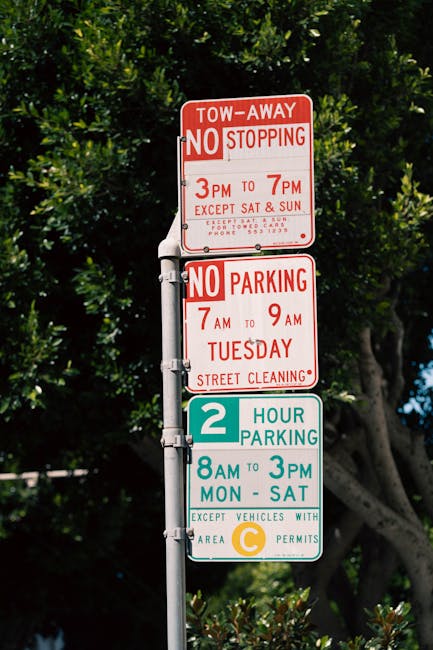
Why Skip permit rules for Kentish Town NW5 jobs and events Matters
Skip permits are not glamorous, but they keep a project moving. In Kentish Town, many streets are tight, parking is limited, and residents notice anything that blocks access or creates clutter. That means a skip placed on the public highway is usually treated as a planning and safety issue, not just a delivery detail. For jobs and events alike, the permit decides whether the skip can legally sit where you want it to sit.
Why does this matter so much? Because the timing of a skip often shapes the whole job. A builder renovating a flat above a shop might need the skip on the road because there is no rear access. An organiser clearing event waste after a neighbourhood party may face a similar problem if the venue courtyard is too small. Without the right permit, the skip can become the weak link in the whole plan. And yes, that usually shows up at the worst time, just when the vans have arrived and everyone is already busy.
There is also the simple issue of keeping neighbours onside. A skip that is permitted, well positioned, and clearly marked tends to cause fewer complaints. One that appears overnight on a cramped street can trigger pushback fast. To be fair, people can be surprisingly patient when they can see the job is being handled properly.
Expert takeaway: if your skip will sit on a public road in NW5, treat the permit as part of the job plan, not an afterthought.
How Skip permit rules for Kentish Town NW5 jobs and events Works
The basic idea is straightforward. If the skip stays entirely on private land, such as a driveway, yard, or enclosed site, a permit is usually not needed. If it goes on the public highway, permit requirements may apply. In practice, that means roads, verges, and sometimes other public spaces where access is shared.
In Kentish Town NW5, the practical test is often this: can the skip be placed somewhere that does not affect public access or parking? If yes, you may avoid the permit route. If no, you will likely need to plan for approval before the skip arrives. The exact process can vary by location and by the type of work, so the safest approach is to check early rather than assume.
For jobs, the trigger is usually waste volume and site access. For events, the trigger is often temporary waste buildup after setup, catering, decorations, or post-event clearance. A small street party may create very different waste patterns from a half-day community market or a private celebration. If you are planning a local function, our article on Kentish Town's best party locations gives useful local context on the kinds of venues and spaces people use around NW5.
It is also worth noting that skips are not the only waste option. Sometimes a quicker rubbish collection or dedicated clearance visit is a better fit, especially if access is awkward or the waste pile will not justify a full skip. That is one reason our services overview can help you compare the moving parts before you commit.
Key Benefits and Practical Advantages
When the permit situation is handled properly, the benefits are immediate. The first is compliance. You avoid the unpleasant moment where a skip arrives and then has to be repositioned, collected, or explained away. The second is schedule protection. If your contractor, organiser, or team is working to a tight slot, permit issues can chew up precious hours.
There is also a quieter benefit: better planning usually means less stress. That sounds obvious, but it is often the thing people underestimate. Once you have had a few phone calls about parking, timing, and access, a clean permit plan suddenly feels like a luxury. In reality, it is just good housekeeping.
- Fewer delays: the skip can be delivered where it is actually needed.
- Less risk of complaints: neighbours and passers-by are less likely to object to a clearly managed setup.
- Better waste flow: builders, event staff, or residents can clear materials efficiently.
- Cleaner handover: the end of the project tends to go more smoothly.
- Lower chance of avoidable costs: rushed changes and failed placements are expensive, frankly.
For commercial jobs, the advantage is even more obvious. A shop fit-out or office clear-out can generate waste in bursts, and the wrong skip arrangement can interrupt tradespeople or block customers. If that sounds familiar, our guide to rubbish clearance for Kentish Town shops and offices is a handy companion piece.
Who This Is For and When It Makes Sense
This topic is relevant to a wider group than many people think. A skip permit is not only for large contractors with full scaffolding and site cabins. In Kentish Town NW5, it often comes up in everyday situations:
- home refurbishments with no driveway access
- bathroom or kitchen rip-outs in terrace properties
- loft clearance projects where waste builds quickly
- garden clean-ups that produce more material than a normal bin collection can handle
- office moves and small business refits
- community events, private parties, and post-event tidy-ups
- house clearances after a sale, let, or change of occupancy
If you are a landlord or homeowner managing a transaction, waste logistics can become part of the wider move-out plan. A good place to start reading around that is Kentish Town home transactions, which touches on how local property movements and timing often affect clearance decisions.
It also makes sense for anyone who wants a tidy, controlled site. Events especially benefit from clear waste planning because guests, contractors, caterers, and cleaners all work better when there is a designated place for rubbish. Otherwise, bins fill up, bags pile up, and before long the whole scene looks a bit tired. Nobody wants that on the night.
Step-by-Step Guidance
If you want a practical route through skip permit rules for Kentish Town NW5 jobs and events, use this sequence. It keeps the process manageable and avoids the usual last-minute scramble.
- Work out where the skip will sit. Private land is simpler. Public highway placement is the point where permit questions begin.
- Estimate the waste properly. A rough guess is often enough to make the right choice, but be honest. Underestimating is a classic mistake.
- Check access and loading patterns. If waste will be carried through a narrow hallway or down several steps, think carefully about whether a skip is still the best option.
- Factor in timing. Event waste, building waste, and household waste all build at different speeds. Don't book the skip as if every project behaves the same.
- Plan for permit lead time. Leave room for approval and delivery scheduling. Tight schedules are where people get caught out.
- Confirm placement details. Exact position, road space, and whether any parking or access issues are likely should be checked before delivery.
- Keep the area usable. Make sure the skip does not block sightlines, emergency access, or pedestrian movement.
- Arrange collection or swap-out. If your waste will exceed one skip, line up the next step now rather than improvising later.
A small note from real life: the jobs that run best are usually the ones where someone spends ten minutes thinking through the awkward bits in advance. It is rarely the flashy decisions that save a project. It is the quiet ones.
Expert Tips for Better Results
Here is where a bit of practical judgement helps. In Kentish Town, road width, parking pressure, and pedestrian movement can all affect whether a skip is sensible, legal, or just deeply annoying for everyone involved. A few expert habits make the whole process easier.
- Use the smallest workable skip size. Bigger is not always better, especially on tight NW5 streets.
- Separate recyclable material early. Wood, metal, cardboard, and mixed waste are easier to manage when sorted at source.
- Choose the right time of day. Early morning deliveries can be handy, but only if they fit local access patterns.
- Make one person responsible. If too many people "sort it out later," the permit side gets fuzzy fast.
- Think about rain and wind. A skip full of lightweight event waste can become messy pretty quickly in bad weather.
- Keep neighbours informed. A quick heads-up often prevents a lot of grumbling.
If the project involves demolition or substantial trade waste, it may be worth comparing skip use with a more targeted collection approach. For example, our builders' waste disposal in Kentish Town page is useful for construction-heavy jobs where flexibility matters more than a static container. And if the issue is furniture rather than mixed rubble, furniture disposal in Kentish Town can be the simpler answer.
One more thing: do not forget the human side. If a skip is going onto a street where residents already struggle with parking, the tone of the setup matters. Clean signage, sensible timing, and clear communication go a long way. Nothing dramatic. Just decent practice.

Common Mistakes to Avoid
Most problems with skip permits are predictable, which is annoying but useful. If you know the common errors, you can steer clear of them without needing a spreadsheet the size of a door.
- Leaving it too late: people often arrange the skip before checking whether roadside placement is realistic.
- Assuming private access exists: a narrow front garden or shared entrance does not always count as usable private space.
- Choosing the wrong waste method: not every job needs a skip, and forcing one into place can be wasteful.
- Ignoring event timing: a skip that is perfect for a two-day refurbishment may be awkward for a one-night event.
- Overfilling the container: this is one of those small mistakes that turns into a big headache.
- Not accounting for local parking pressure: Kentish Town roads can be busy, and parking restrictions change the picture quickly.
A lot of avoidable frustration also comes from hidden cost surprises. If you want to understand where waste-removal quotes can become unclear, have a look at how to avoid hidden rubbish removal fees in Kentish Town. It is a good reminder that the cheapest-looking option is not always the cheapest by the end of the week.
Truth be told, the most common mistake is still the oldest one: assuming there will be enough room because there was enough room yesterday. On a London street, that can change overnight.
Tools, Resources and Recommendations
You do not need a complex toolkit to handle skip permit planning well. What you do need is a tidy way of checking the basics and keeping the conversation organised.
- Site measurements: a quick tape measure or even paced-out dimensions can help you judge whether the skip will fit.
- Simple waste list: write down what you are throwing away before you book anything.
- Access notes: stairs, tight corners, shared entrances, and loading limitations all matter.
- Project timetable: match the skip timing to the actual work, not the fantasy version of the work.
- Supplier comparison: compare more than one option if the job is time-sensitive or access is awkward.
For readers who want to understand broader waste services in the area, our rubbish collection in Kentish Town page can help you compare skip-based planning with collection-based alternatives. If you are clearing a whole property, house clearance in Kentish Town or loft clearance in Kentish Town may be more practical than a roadside skip, especially where access is tight.
For businesses, the local context matters too. Office teams often underestimate how much packaging, shelving, and old equipment comes out at once. A little planning prevents the classic "we thought this would be a small clear-out" moment. Happens all the time.
Law, Compliance, Standards, or Best Practice
When skip permit rules are involved, the safest approach is to treat compliance as a normal part of the waste plan. The exact local requirements can change depending on location, road conditions, traffic impact, and the nature of the work. That is why a cautious, pre-check mindset is better than assuming a standard answer will fit every street in NW5.
Best practice usually includes:
- checking whether the skip will be on private land or the public highway
- allowing enough time for approvals and delivery changes
- keeping access and visibility safe for pedestrians and vehicles
- using the correct container size for the waste stream
- avoiding overfilling or mixing unsuitable materials
- documenting the plan for contractors, tenants, or event staff
There is also a wider waste-duty angle worth respecting. In practical terms, that means you should be careful about who handles the waste, what is being removed, and whether the disposal route is sensible for the material involved. If you are planning a bigger refurbishment, you may want to read the local guidance around quick rubbish removal on Kentish Town Road NW5 because traffic and timing can affect the best method.
One useful rule of thumb: if you are uncertain, slow down and ask the practical question first. Where will the waste sit? Who is responsible? How long will it stay there? Those three questions solve a lot of problems before they start.
Options, Methods, or Comparison Table
Not every project needs the same waste solution. Sometimes a skip is perfect. Sometimes it is overkill. Sometimes it is simply the wrong shape for the job, which sounds silly until you are standing on a narrow pavement trying to make it work. The table below compares the main approaches in plain terms.
| Option | Best for | Main advantage | Potential drawback |
|---|---|---|---|
| Skip on private land | Homes or sites with driveways, yards, or enclosed space | Usually simpler, with fewer permit questions | Only works if space and access are genuinely suitable |
| Skip on public highway | Jobs with no private placement option | Good capacity and onsite convenience | Permit planning, parking pressure, and more coordination |
| Rubbish collection | Smaller clearances, mixed items, or quick turnaround jobs | Flexible and often easier to slot in | Not ideal for large volumes or prolonged projects |
| Targeted clearance service | Furniture, offices, lofts, or house contents | Less hassle when access is awkward | May need careful sorting and scheduling |
For many local customers, a hybrid approach works best. Clear the bulky items first, then decide whether a skip still makes sense. That can save both time and a fair bit of stress.
Case Study or Real-World Example
Here is a realistic example from a typical NW5 scenario. A small independent cafe is refreshing its back area before a weekend event. The team has old shelving, packaging, broken displays, and a pile of general waste from the refit. At first, a skip seems like the obvious answer.
Once they check access, though, they realise the rear yard is too tight for delivery and the front road is heavily parked. A skip on the public highway would need planning and would take up space they cannot spare during opening hours. Instead, they split the waste into two parts: bulky items for a removal visit and lighter packaging for a targeted collection. The result is calmer, cheaper in practice, and much easier to manage around customers.
That kind of choice happens all the time. A second example is a private birthday event in a hired venue. The organiser expects only a few sacks of rubbish, then catering arrives, decoration teams add more packaging, and by the end of the evening the waste volume has doubled. A pre-arranged collection or skip plan prevents the post-event scramble at 11:30 p.m., which nobody enjoys, least of all the person still stacking glasses in the dark.
If you are planning a one-off function, it can be helpful to think about venue style as well as waste volume. Our local piece on must-see attractions in Kentish Town gives a feel for the kind of spaces and venues that shape event logistics in the area.
Practical Checklist
Use this checklist before you book. It is simple, but honestly, it catches most of the avoidable problems.
- Have you confirmed whether the skip will be on private land or the public road?
- Do you know your waste type and approximate volume?
- Have you checked access, parking, and turning space?
- Is there enough lead time for any permit-related process?
- Have you chosen the right waste method for the job size?
- Are neighbours, tenants, or event users likely to be affected?
- Do you have a clear collection or next-step plan?
- Have you reviewed what materials should not go in the skip?
- Is someone clearly responsible for the arrangement?
- Have you compared the likely cost of a skip with alternatives?
If your project also involves other waste streams, it may help to look at garden waste removal in Kentish Town or furniture disposal in Kentish Town so you can separate the job into sensible parts. That often saves time and keeps things tidier from the start.
Conclusion
Skip permit rules for Kentish Town NW5 jobs and events are really about one thing: making sure the waste plan matches the street, the schedule, and the scale of the job. If you know where the skip will sit, how long it will be there, and whether the space is public or private, you are already ahead of the pack. The rest is just careful coordination, which is not glamorous but it works.
For homeowners, that might mean one less headache during a refurb. For organisers, it can mean a cleaner finish and fewer awkward conversations with neighbours. For local businesses, it can keep the workflow moving instead of stalling over something as mundane as container placement. Mundane, yes. Important, absolutely.
Get a free quote today and see how much you can save.
And if you are still weighing up the best approach, take a breath, check the access, and choose the solution that makes the whole job feel lighter. That little bit of thought at the start tends to pay you back later.

 Tipper Van - Rubbish Collection and Waste Clearance Prices in Kentish Town NW5
 Luton Van - Rubbish Collection and Waste Clearance Prices in Kentish Town NW5

